Egg retrieval day: a calm guide to the IVF procedure
Learn how collection is performed, what to bring, what recovery can feel like and which symptoms mean you should call the clinic.

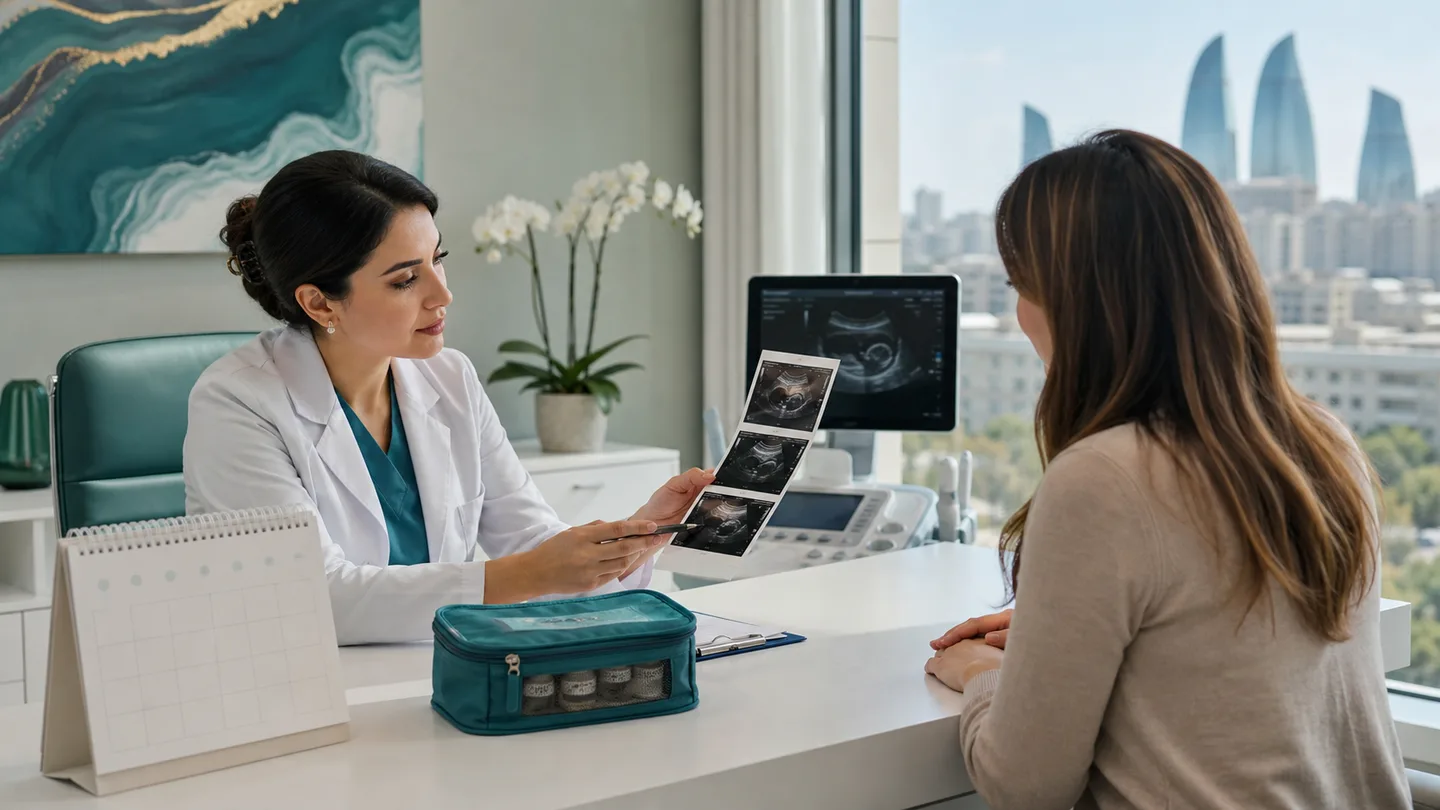
Egg retrieval is the short IVF procedure in which fluid is collected from follicles after stimulation and the trigger. It is usually performed with a fine needle guided by transvaginal ultrasound and with sedation or anaesthetic support. The aim is not to guarantee an egg from every follicle seen on ultrasound; an embryologist examines the collected fluid in the laboratory.
It is normal to feel both hopeful and anxious on the day. Knowing the sequence reduces uncertainty. Your clinic’s individual instructions about fasting, regular medicines and arrival always take priority over a general guide, because anaesthesia plans and medical needs vary.
Before travelling to the clinic
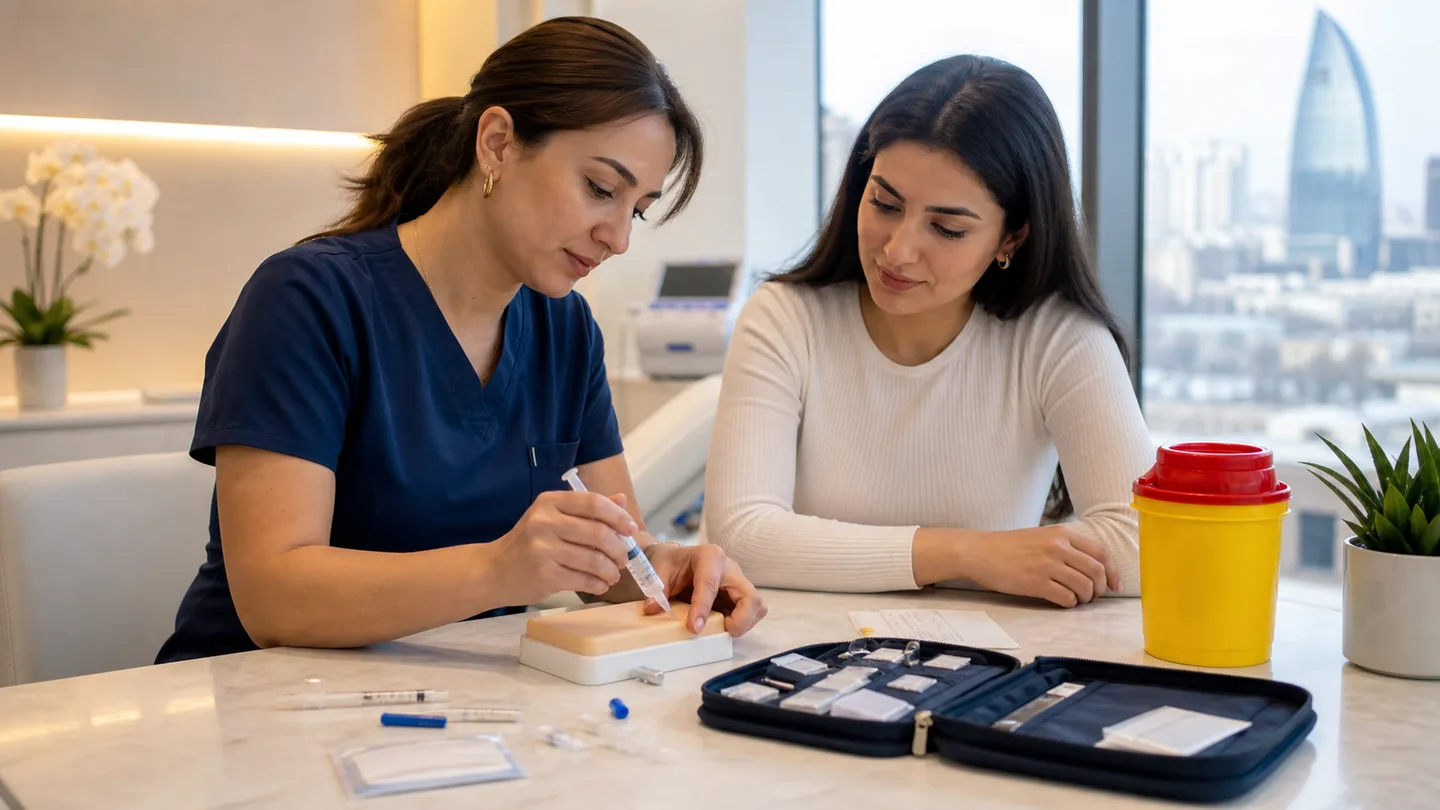
The day before, confirm when fasting begins, whether clear fluids are allowed and how to take essential morning medicines. Ask about local rules for jewellery, make-up, contact lenses and nail products. Bring identification, any consent documents requested and an up-to-date medicine and allergy list.
After sedation, driving, signing important documents or remaining alone may be unsafe. Arrange a responsible adult and transport home in advance. When a semen sample is required on the same day, the partner should separately confirm the laboratory’s time, abstinence guidance and collection instructions rather than assuming they match a previous visit.
- Check fasting and regular medicines in writing
- Bring comfortable clothes, identification and medicine list
- Arrange an escort and support for the first hours at home
What happens during the procedure
At admission, identity, trigger time, allergies and consent are checked again. An intravenous line is placed, vital signs are monitored and the anaesthetic team explains the plan. A guide on the ultrasound probe helps the clinician draw follicular fluid into labelled tubes, which the laboratory receives immediately.
The duration varies with follicle number and clinical circumstances, but the procedure itself is often brief. Follicles seen, eggs collected and mature eggs are different numbers. You may receive an initial count that day, while maturity and fertilisation information follows after laboratory assessment.
- Trigger time and allergies are reconfirmed
- Ultrasound-guided aspiration is performed
- The laboratory verifies the egg count
Recovery, discomfort and warning signs
Blood pressure, pulse, pain and bleeding are observed in recovery. Mild period-like cramps, light spotting, abdominal fullness and tiredness can occur. Use only pain relief approved by the clinic, and begin drinks, light food and rest when advised. Avoid adding medicines without checking for interactions or bleeding risk.
Severe or increasing pain, bleeding that fills a pad in an hour, fever, fainting, breathlessness, persistent vomiting, rapidly increasing abdominal swelling or reduced urine require urgent contact. OHSS symptoms may develop over subsequent days. Keep the clinic’s number available and do not wait for the next routine appointment when symptoms escalate.
- Obtain written normal and urgent symptoms before leaving
- Plan rest and support for the first 24 hours
- Report worsening symptoms without waiting for review
Frequently asked questions
Why were fewer eggs collected than follicles seen?
Not every follicle contains an egg, and an egg may be immature or not recovered during aspiration. Ultrasound gives an estimate; the laboratory provides the confirmed result.
When can I return to work after egg retrieval?
Recovery depends on sedation, symptoms and the physical demands of work. Many people rest for at least the day. Follow personal advice before driving or returning to strenuous activity.
Before egg retrieval at Övlad Payı, confirm fasting, medicines, escort, arrival time and urgent contact details on one page. A clear plan helps you focus on a comfortable and well-supported recovery afterwards.
Trusted sources
This article is for patient education and does not replace individual medical advice.