Preparing for an IVF consultation: first-visit guide
Learn which records to bring, what to ask and what you should understand clearly by the end of your first IVF appointment.

Preparing for IVF consultation makes the appointment more productive and can reduce uncertainty afterwards. A clinician does not look only at test results. They consider how long pregnancy has been attempted, menstrual cycles, previous pregnancies or losses, operations, medicines and family history together. Organising information beforehand prevents important details from being forgotten.
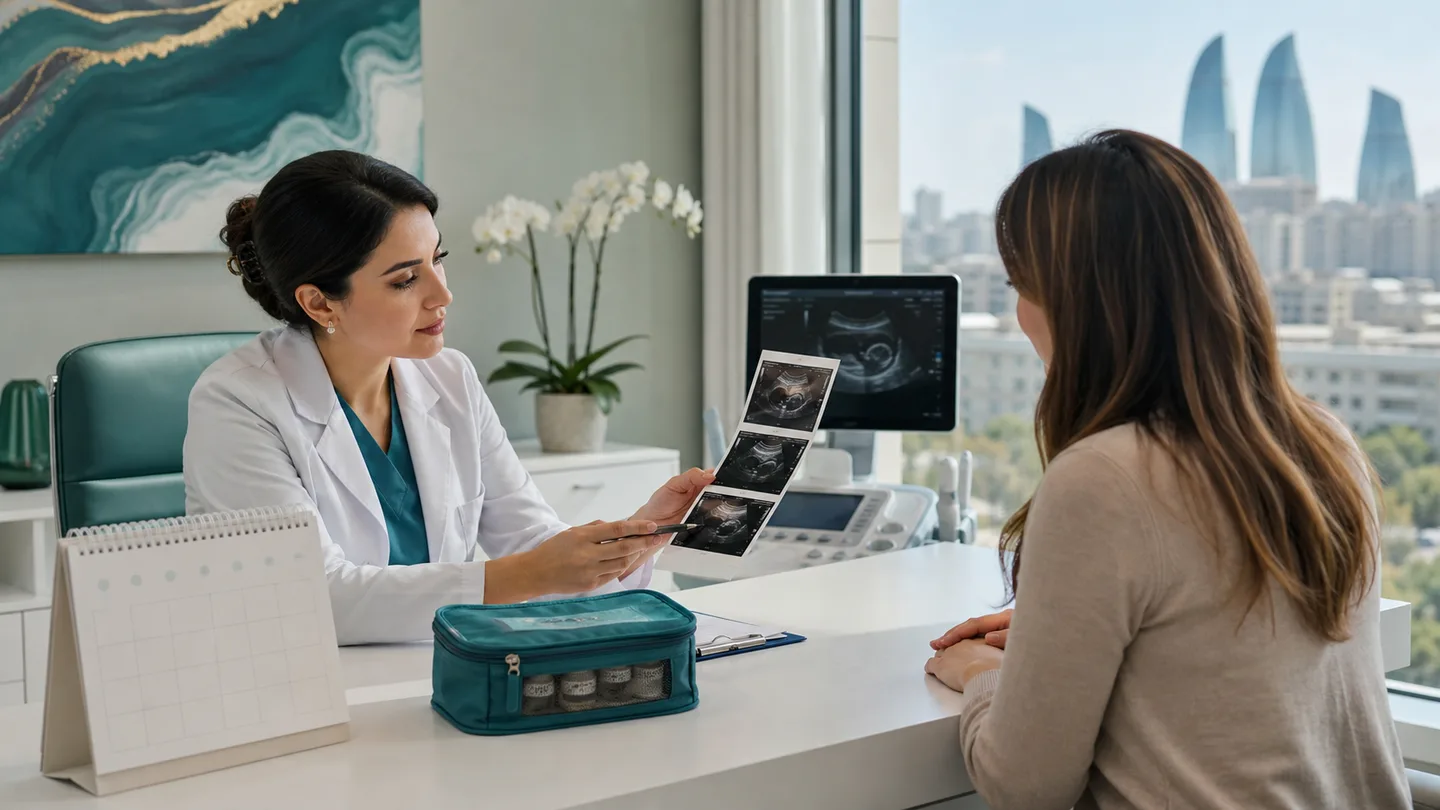
The purpose of the first visit is not necessarily to decide on IVF that day. It is to understand the possible diagnosis, which further investigations are useful, the alternatives and the next step. Attend with a partner when possible; male factors are a common part of infertility and assessment should not focus on only one person.
Information and records to bring
Arrange previous hormone tests, ultrasound and tubal studies, semen analyses, operation reports, genetic results and specialist letters in date order. Written reports are useful even when you have scan images. For previous fertility treatment, record medicine doses, follicle and egg numbers, fertilisation and embryo outcomes separately.
List every prescription medicine, vitamin, supplement, herbal product and allergy. Honest information about smoking, alcohol, workplace exposures and long-term conditions is for safety, not judgement. Menstrual dates and cycle length can be shown from an app, but a lack of perfect records is not a reason to delay the appointment.
- Identification and previous medical reports
- A list of medicines, supplements and allergies
- Dose, response and laboratory outcomes from prior cycles
Essential questions during the consultation
Ask how certain the diagnosis is and which additional test would genuinely change treatment. Why is IVF recommended, and is a simpler alternative reasonable? Request a live-birth estimate relevant to age, egg source and diagnosis rather than confusing a general marketing rate with a personal forecast.
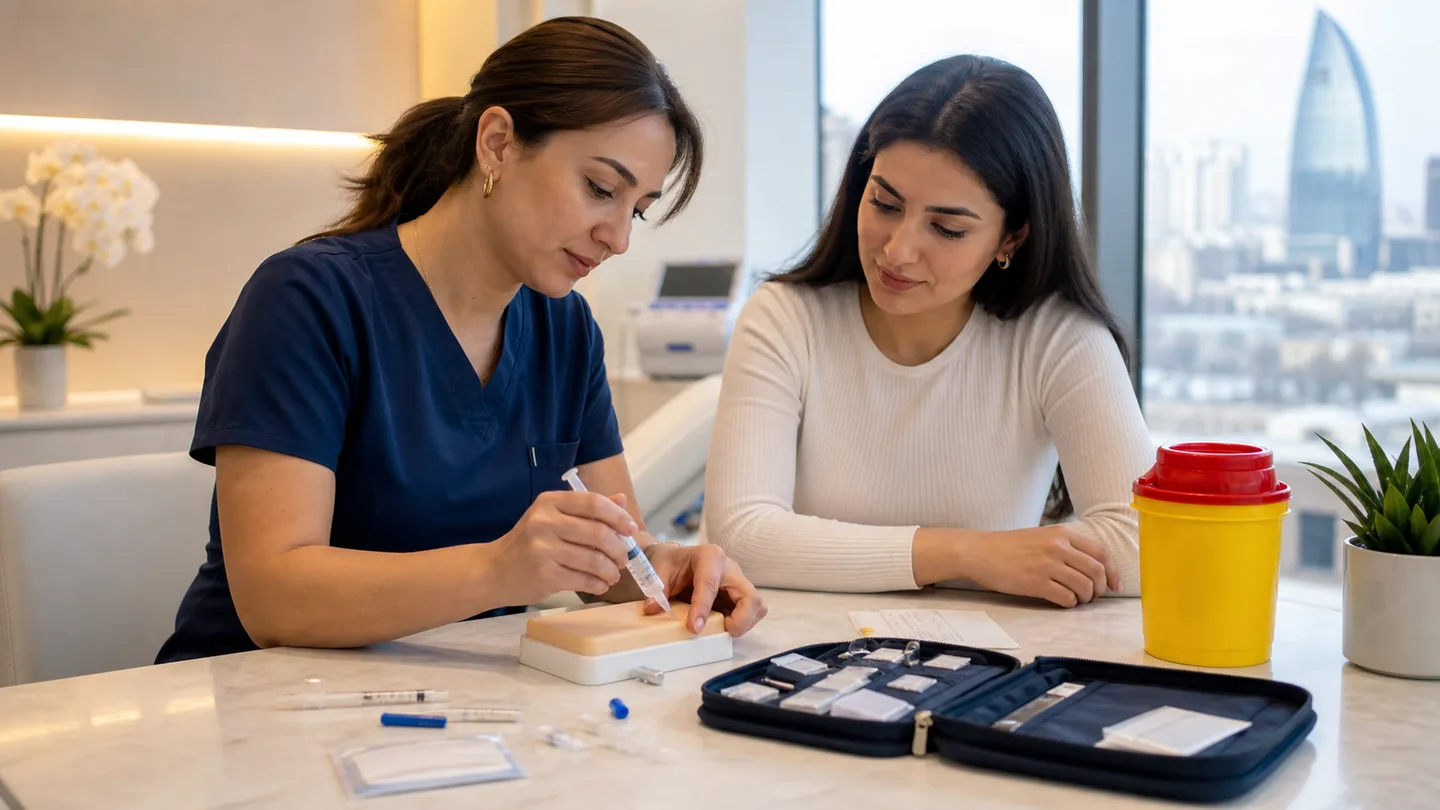
Learn the likely protocol length, monitoring schedule and how collection and transfer dates are decided. OHSS and other risks, single embryo transfer, freezing, genetic testing and add-ons should be explained separately. It is appropriate to ask about evidence and cost for every optional service.
- What is the main medical reason for this plan?
- What range describes my live-birth chance?
- What is plan B if the response differs?
Turning the appointment into a clear decision
By the end, you should have a written summary of diagnosis, requested tests, proposed medicines, likely start date and full costs. Ask to read consent forms at home. If terminology is unclear, request another explanation; there should be no requirement to sign a document you do not understand immediately.
Review answers together and note what remains open. A second opinion is normal for a major decision. Confirm who can answer follow-up questions, the usual response time and the urgent number outside normal hours. If you feel rushed, ask for time to consider the information.
- Obtain the written plan, costs and contact details
- Read consent information carefully at home
- Do not accept pressure to decide immediately
Frequently asked questions
Must my partner attend the first consultation?
Not always, but it is useful when possible. Both histories, questions and consent can affect the plan, and semen assessment may be needed. The clinic should explain any required attendance beforehand.
Will older tests need to be repeated?
Some results have a time limit or depend on a particular cycle day. Bring older reports; the clinician should repeat tests that are current, safety-related or likely to change the decision.
When booking a first consultation at Övlad Payı, ask whether records can be supplied in advance. The team can use the appointment to interpret your results, build a personal roadmap and give your questions the time needed for an informed choice.
Trusted sources
This article is for patient education and does not replace individual medical advice.