Ovarian stimulation for IVF: what to expect
Understand the purpose of stimulation medicines, protocol choice, ultrasound monitoring, dose changes and symptoms that need clinical advice.
Ovarian stimulation for IVF uses hormone medicines to support the development of several follicles during one menstrual cycle. A natural cycle usually matures one egg, whereas IVF aims to obtain several mature eggs for possible fertilisation in the laboratory. The target is not the highest number possible; it is an effective and safe individual response.
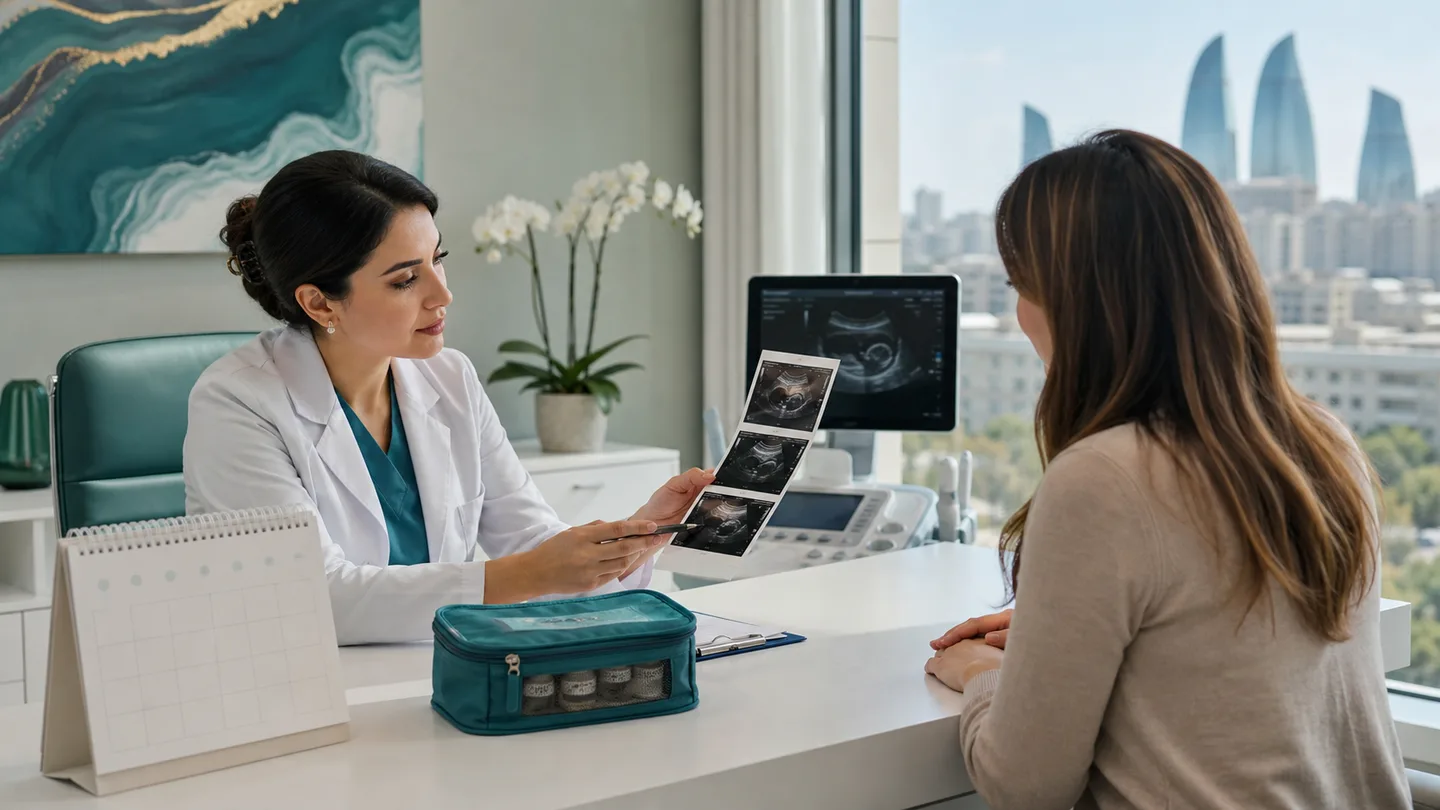
Protocol choice considers age, AMH and antral follicle count, body weight, polycystic ovarian features and previous response. People with the same diagnosis can appropriately receive different doses. Before medicines begin, the clinic should provide a written calendar, storage instructions, injection teaching and an after-hours contact route.
What the medicines are designed to do
FSH and sometimes LH-containing medicines encourage follicle growth. An antagonist or agonist may prevent ovulation from occurring too early. A final trigger later supports the last stage of egg maturation. Brand names vary, but the purpose and timing of every medicine should be clear.
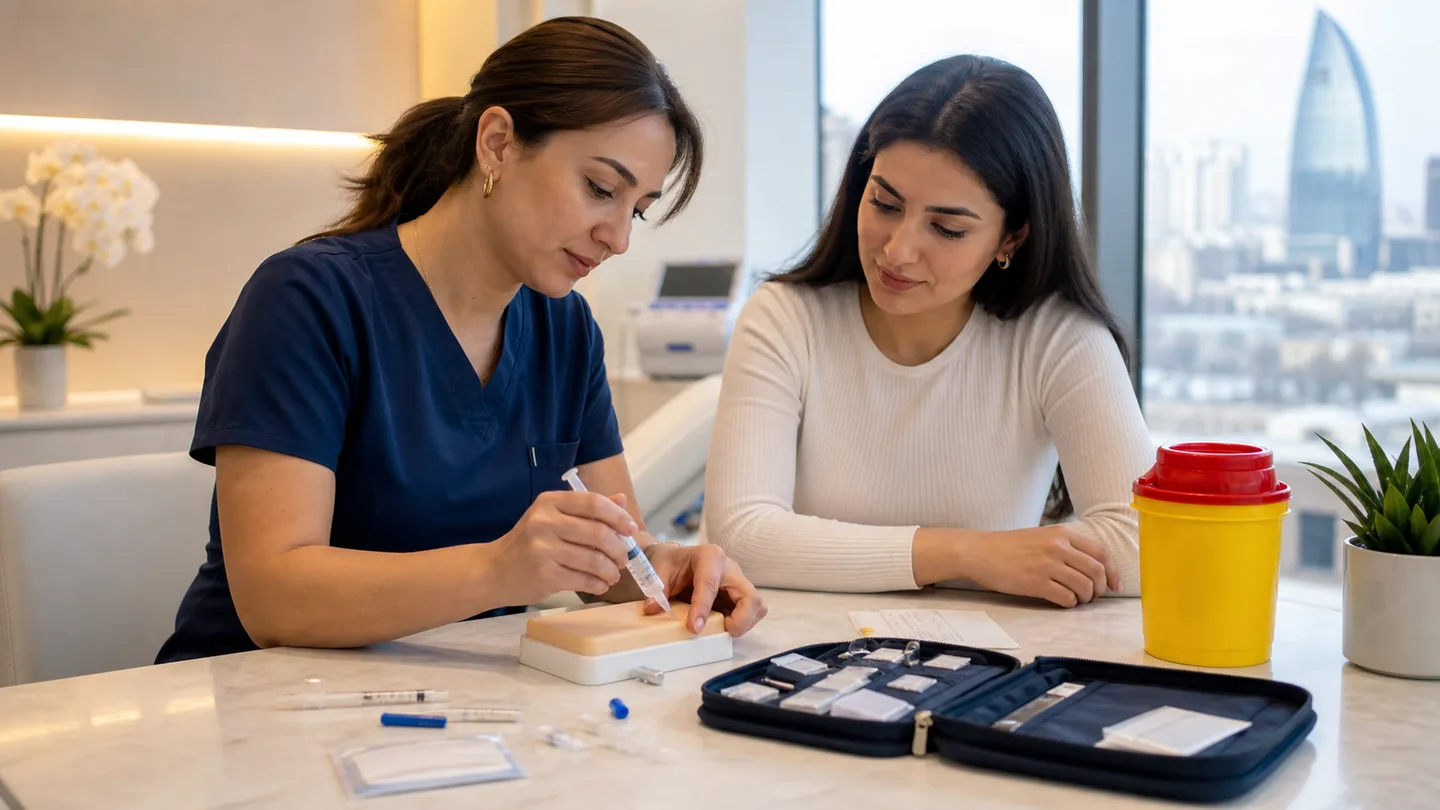
Take injections within the advised time window and follow storage guidance. If a dose is forgotten, do not automatically double it; call the clinic for specific instructions. Tell the fertility team about medicines from other clinicians, supplements and herbal products.
- Stimulation supports growth of a group of follicles
- Suppression helps prevent premature ovulation
- The trigger carefully times final egg maturation
Monitoring the response with scans and tests
Transvaginal ultrasound tracks follicle number and size, while some protocols also use blood markers such as estradiol. One follicle measurement does not decide the plan. Growth pattern, the whole follicle group, hormones and safety are considered together.
Increasing, reducing or keeping a dose is normal personalisation and does not necessarily mean treatment is going badly. Occasionally, a cycle is stopped because response is too low, too high or changes occur too early. Safety and cancellation criteria should be discussed before treatment.
- Attend every monitoring visit on time
- Obtain an updated written calendar after changes
- Confirm the trigger time separately and precisely
Expected symptoms and warning signs
Abdominal fullness, mild bloating, injection-site tenderness, tiredness and emotional changes may occur. Recording symptoms can support a discussion about dose and comfort. As ovaries enlarge, strenuous exercise may be limited because of torsion risk; follow the clinic’s individual activity advice.
Rapidly increasing swelling, severe pain, persistent vomiting, breathlessness, sudden weight gain or reduced urine require urgent assessment for OHSS or another complication. Do not wait for the next appointment. Keep both clinic and emergency contact instructions available on your phone.
- Track mild discomfort and tell the team
- Contact the clinic immediately for severe symptoms
- Do not stop medicine without clinical advice
Frequently asked questions
Does stimulation use up my eggs faster?
Stimulation mainly supports a group of follicles already recruited in that cycle and otherwise likely to be lost. Current evidence does not show that it brings menopause forward.
Will a higher dose create more good-quality eggs?
Not always. The ovaries have a biological response range, and excessive dosing can raise risk. The dose aims for a personal balance of response and safety, not a maximum number.
Before stimulation at Övlad Payı, review each medicine’s role, the reasoning behind your dose, monitoring dates and the urgent-symptom plan with the team. A clear calendar and rapid contact route make daily treatment safer.
Trusted sources
This article is for patient education and does not replace individual medical advice.