Endometriosis fertility tests: how is assessment performed?
Learn how endometriosis fertility tests are selected from symptoms, ultrasound and individual risk, what a normal scan means and when surgery is considered.
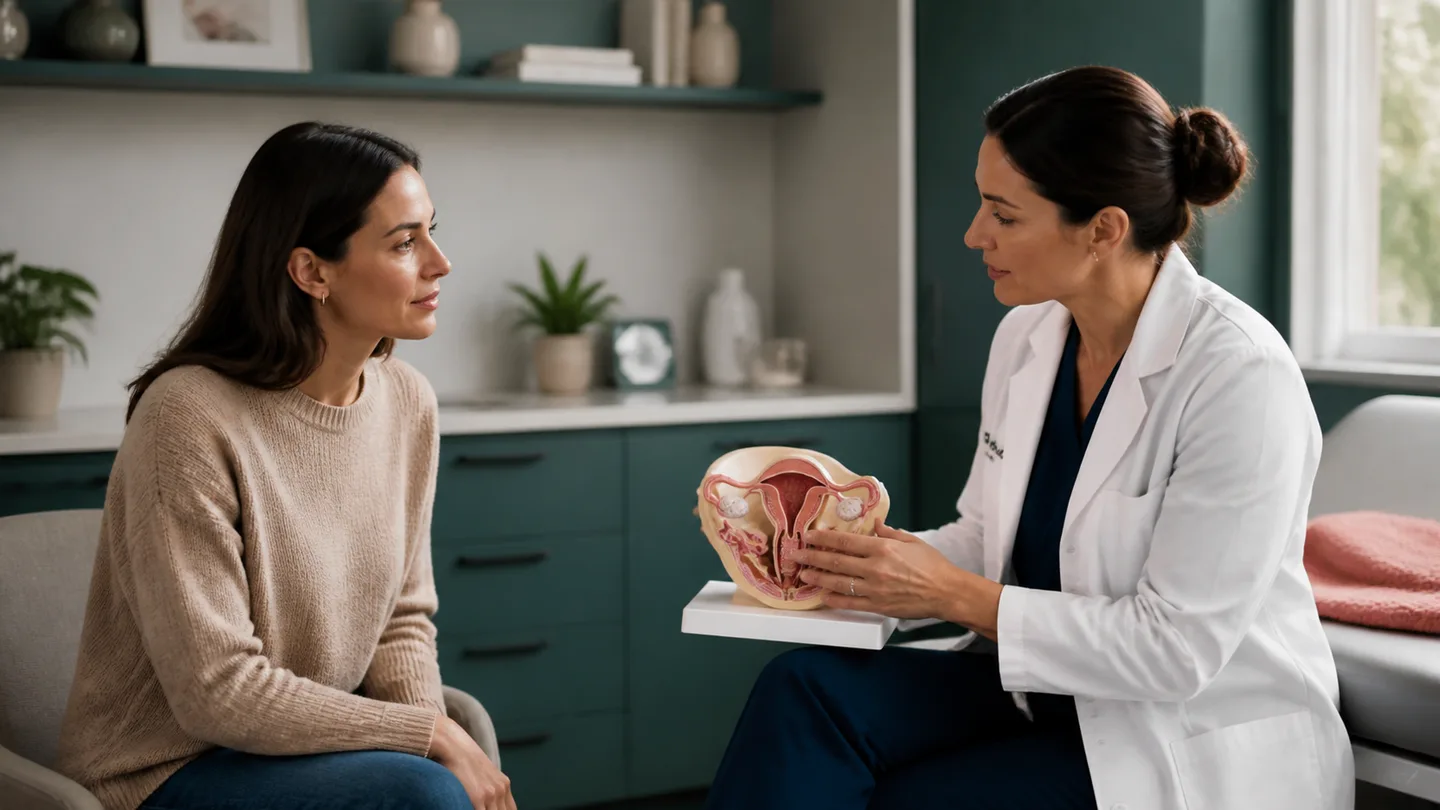
Endometriosis fertility tests are not limited to one blood result. Endometriosis is a chronic condition in which tissue similar to the uterine lining is found outside the uterus. It may affect fertility through pain, ovarian involvement, the tubes or pelvic anatomy, while some people have limited symptoms.
Assessment begins with symptoms, previous operations, duration of trying, age and other fertility factors. The aim is not necessarily to display every possible lesion; it is to gather information that can change care and create a plan that considers both pain and pregnancy goals.
What do history and ultrasound show?
Severe period pain, chronic pelvic pain, pain during sex and cyclical bowel or urinary symptoms can raise suspicion. The clinician asks when symptoms occur, how they affect life and what treatment or surgery has been tried. Mild pain does not prove that disease is absent.
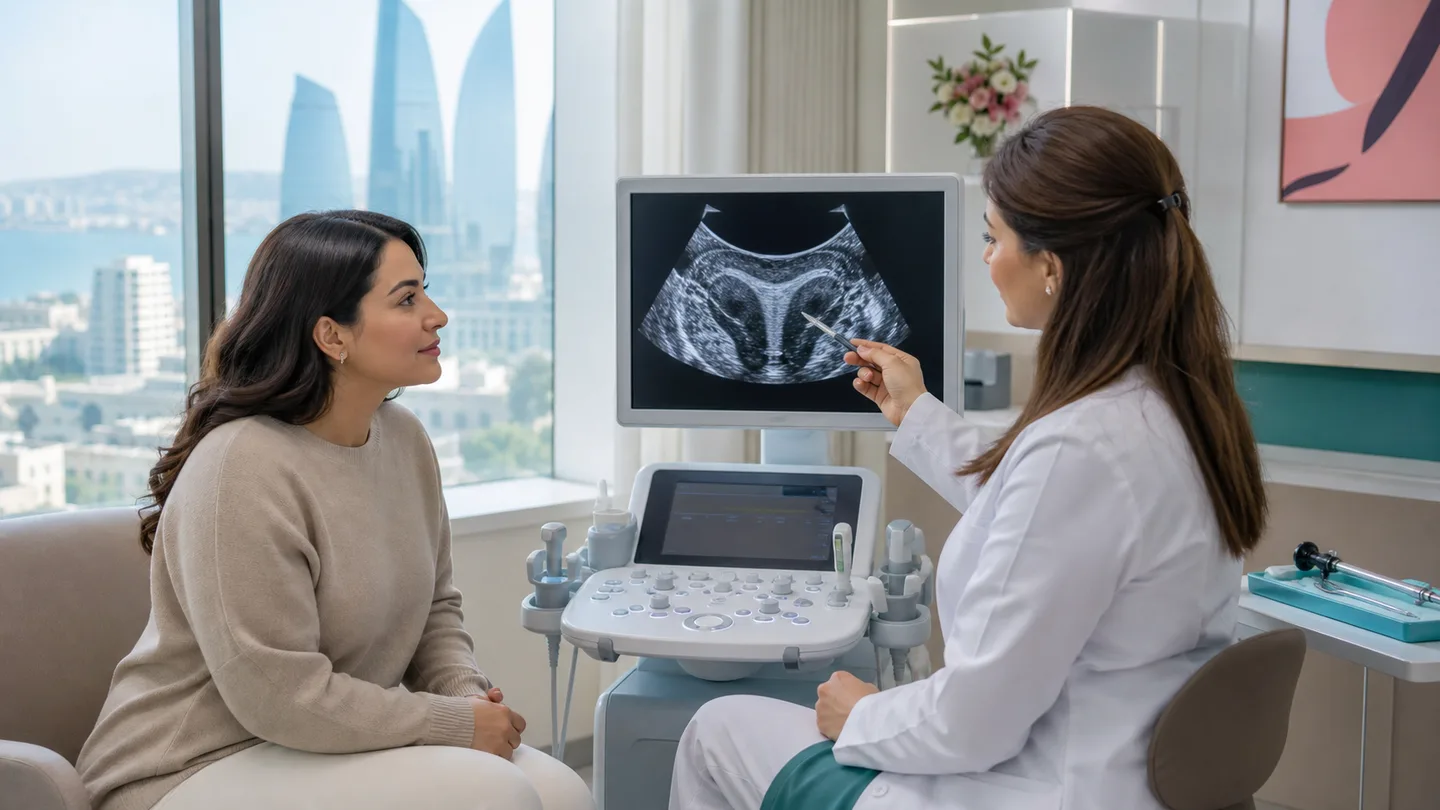
Transvaginal ultrasound can show ovarian endometriomas and some deep endometriosis while also assessing the ovaries and uterus. A normal scan does not completely exclude superficial endometriosis, so imaging is interpreted with the clinical history.
- Timing and daily impact of symptoms are recorded.
- Ultrasound informs treatment planning as well as diagnosis.
- Normal imaging does not exclude every form of endometriosis.
Other fertility factors still need assessment
Even when endometriosis is suspected, ovulation, semen and, when appropriate, tubal patency are assessed separately. AMH and AFC can help plan stimulation response but do not independently show endometriosis severity or the chance of spontaneous pregnancy.
If ovarian surgery has already occurred, its possible effect on ovarian reserve is considered. A decision about repeat surgery for an ovarian cyst needs an especially careful discussion of likely benefit and risk.
Laparoscopy, surgery and IVF decisions
Laparoscopy is not a routine diagnostic step for every fertility patient. It may be considered when pain is significant, anatomy is concerning or surgery is likely to offer a meaningful benefit. Surgery may help pain or anatomy but can also affect healthy ovarian tissue.
The choice between continued trying, surgery, IUI or IVF depends on age, duration, ovarian reserve, semen, tubes, symptoms and preferences. There is no responsible rule that everyone with endometriosis needs IVF or that surgery resolves every fertility problem.
Frequently asked questions
Does a normal ultrasound rule out endometriosis?
No. Ultrasound can identify endometriomas and some deep disease, but superficial lesions may not be visible. Symptoms and all findings are reviewed together.
Is surgery always required to diagnose endometriosis?
Not always. Modern assessment begins with history and imaging. Laparoscopy is discussed individually when its result is likely to change care meaningfully.
To build a fertility plan that considers suspected endometriosis, pain, age and ovarian reserve together, arrange a consultation with the Övlad Payı team.
Trusted sources
This article is for patient education and does not replace individual medical advice.