IVF pregnancy nutrition: practical, safe everyday choices
Build a balanced eating pattern, choose folic acid and other supplements safely, manage nausea and reduce foodborne infection risk in early pregnancy.
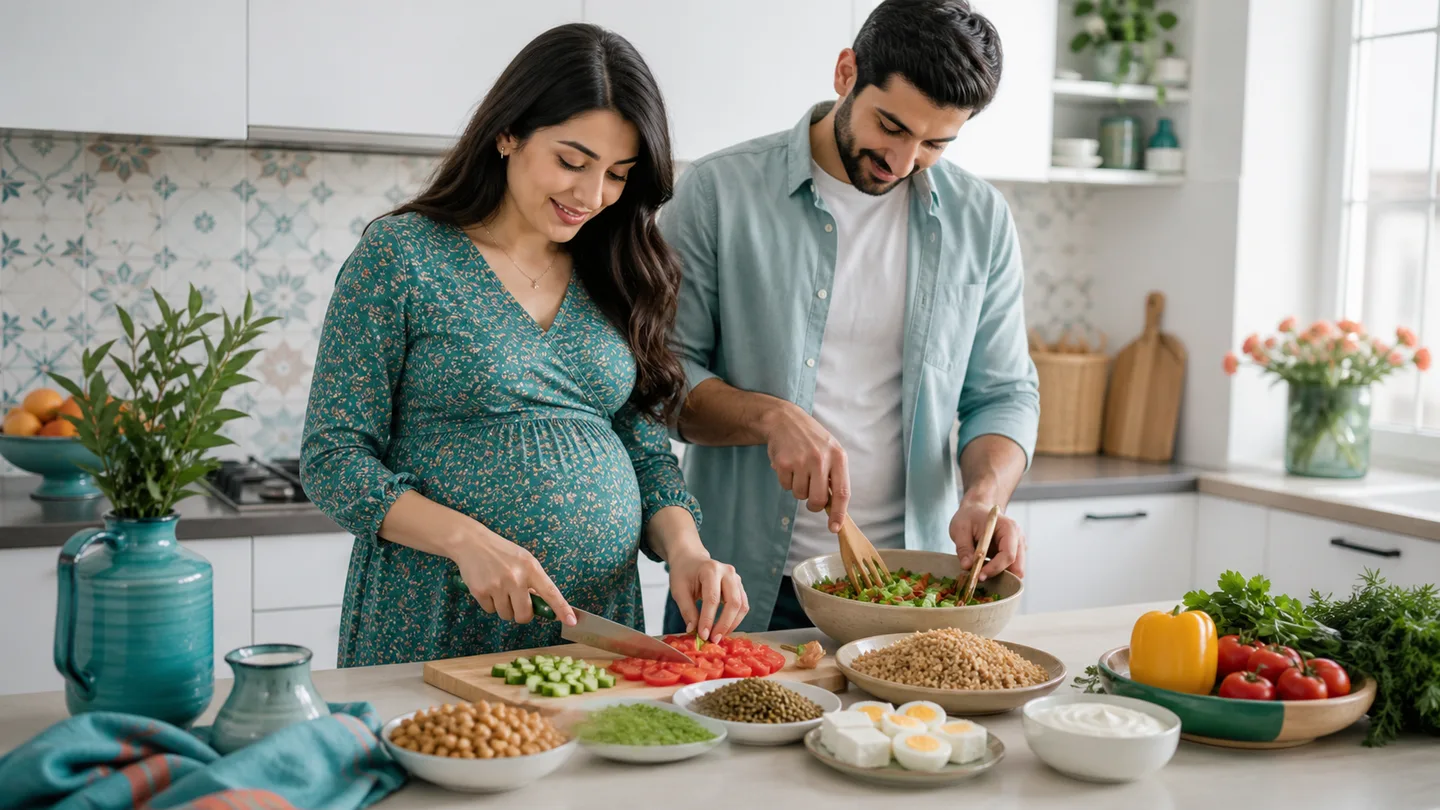
There is no miracle food, implantation diet or universal supplement list for IVF pregnancy nutrition. The useful goal is a varied eating pattern, adequate fluids and the antenatal supplements recommended for your circumstances, repeated consistently rather than pursued perfectly.
Bloating, nausea, constipation and appetite changes after treatment can make food difficult. A few imperfect days do not cause treatment failure. Small realistic adjustments, early treatment of severe symptoms and dietetic support when needed are more sustainable than restrictive rules.
A balanced plate and appropriate supplements work together
Rotate vegetables and fruit, whole grains, pulses, eggs, thoroughly cooked meat and fish, pasteurized dairy and unsaturated fats across the week. Including protein and fiber in main meals may help steady appetite and bowel function.
Folic acid supports early development, but the appropriate dose can differ with individual risk. Show the prenatal-vitamin label to your clinician. Avoid stacking several products and unintentionally duplicating vitamin A, iron or other nutrients.
With nausea, focus on regular intake and hydration
Small frequent meals, a dry snack before getting up, avoiding strong smells and sipping fluid through the day help some people. Cold foods may produce less odor. Choose tolerable nutritious options rather than forcing one supposedly perfect food.
Being unable to keep fluids down, passing very little urine, dizziness, rapid weight loss or persistent vomiting is more than ordinary morning sickness. Contact the clinical team the same day; pregnancy-compatible assessment and treatment are available.
Food safety reduces preventable infection
Wash hands and surfaces, separate raw and ready-to-eat foods, cook meat, eggs and seafood thoroughly and chill leftovers promptly. Avoid unpasteurized milk products, raw sprouts and high-risk raw animal foods during pregnancy.
Fish provides useful nutrients, but varieties high in mercury should be limited according to local guidance. Count caffeine from coffee, tea, chocolate and energy drinks together, and check herbal teas rather than assuming that every plant product is safe.
Frequently asked questions
Does pineapple or another special food protect implantation?
Reliable evidence does not show that a particular food protects implantation. Safe foods can be part of a varied diet in normal portions, but they do not replace prescribed medicines or clinical follow-up.
Should I eat for two after IVF?
No. Energy needs change with pregnancy stage and the individual body. Food quality, variety and appropriate portions matter more; discuss specific needs with an antenatal clinician or dietitian.
If nausea, diabetes, a restricted diet or supplement choices make eating difficult, review your products with Övlad Payı and arrange appropriate antenatal nutrition support.
Trusted sources
This article is for patient education and does not replace individual medical advice.