Nutrition before IVF: a simple balanced approach
Build a realistic pre-IVF food routine around balance, food safety and affordable choices without miracle diets or unnecessary restriction.
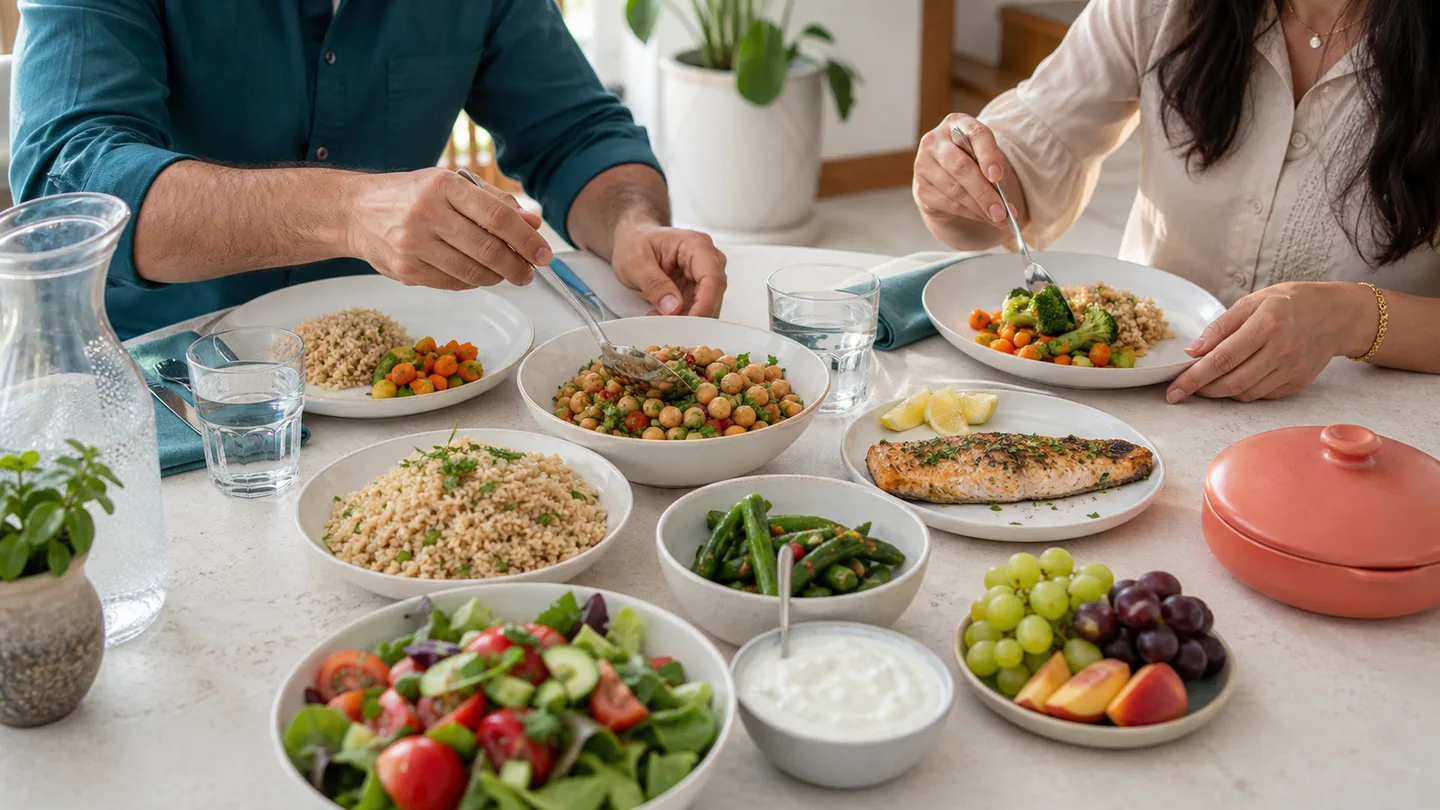
Nutrition before IVF does not require purchasing a special “fertility diet.” A varied pattern of vegetables, fruit, legumes, whole grains, suitable protein, dairy or alternatives can provide a practical foundation for general health.
No food changes egg quality overnight, and no menu guarantees IVF success. The useful aim is consistent energy, protein, fibre and micronutrients without turning eating into another test you can pass or fail.
Use a simple plate pattern
For many main meals, filling roughly half the plate with vegetables and sharing the remainder between protein and a whole-grain or starchy food is a workable start. Use olive oil, nuts and seeds in portions that suit your needs.
Seasonal produce, frozen vegetables and basic legumes can replace expensive products marketed for fertility. If you have diabetes, allergy, digestive disease or a prescribed diet, seek individualized dietetic advice.
A practical plate pattern is often more useful than a complicated fertility diet: make varied vegetables a substantial part, add beans, eggs, fish, poultry or another suitable protein, include a smaller portion of whole grain and use some unsaturated fat. This can be adapted to familiar Azerbaijani meals; it does not require a special “IVF food,” imported superfood or perfect presentation.
- Vary fruit and vegetable colours.
- Include protein at main meals.
- Make water the usual drink.
Keep food safety in view
Cook eggs, meat and seafood safely, avoid unpasteurized dairy and prevent cross-contamination. Follow local pregnancy guidance about fish species and mercury rather than avoiding all fish.
Severe restriction, prolonged fasting and unsupervised elimination diets may reduce nutrient intake. If treatment causes nausea, smaller plain meals and the clinic’s hydration advice may be more sustainable.
Prepare low-effort options for stimulation days, such as yoghurt with fruit, eggs and wholegrain bread, soup, a bean dish or a portable portion of nuts. A generic menu may not suit diabetes, kidney or digestive disease, food allergy or a prescribed diet. Individualize with a qualified dietitian rather than removing a major food group because of an online fertility claim.
Turn good intentions into a routine
Choose two or three repeatable meals each week, write a shopping list and keep a portable snack for appointment days. Sharing the same basic meals with a partner can reduce planning work.
Food safety begins at shopping: refrigerate chilled food promptly, separate raw meat from ready-to-eat items, cook eggs and meat thoroughly and avoid unpasteurized dairy. Fish does not need a blanket ban; use local advice about species and mercury. Tell the clinic about persistent vomiting, inability to keep fluids down or rapid unplanned weight loss during treatment.
- Build a repeatable menu, not a ban list.
- Check supplement labels and doses.
- Seek professional advice for medical diets.
Frequently asked questions
Does intermittent fasting help before IVF?
Strong evidence that it improves IVF outcomes is lacking. If long fasting makes energy or medication timing difficult, it may be unsuitable; discuss your context with the clinical team.
Must I completely remove sugar or gluten?
Usually not without a diagnosis or specific indication. Overall food quality, portions and sustainability are more useful than labelling one food as universally good or bad.
At Övlad Payı, nutrition before IVF can be reviewed alongside your health history, results and daily resources so the advice remains safe, affordable and realistic.
Trusted sources
This article is for patient education and does not replace individual medical advice.