Sperm collection for IVF: preparation and laboratory guide
Learn how to prepare for collection day, use the sterile container correctly and tell the laboratory when a sample is incomplete.
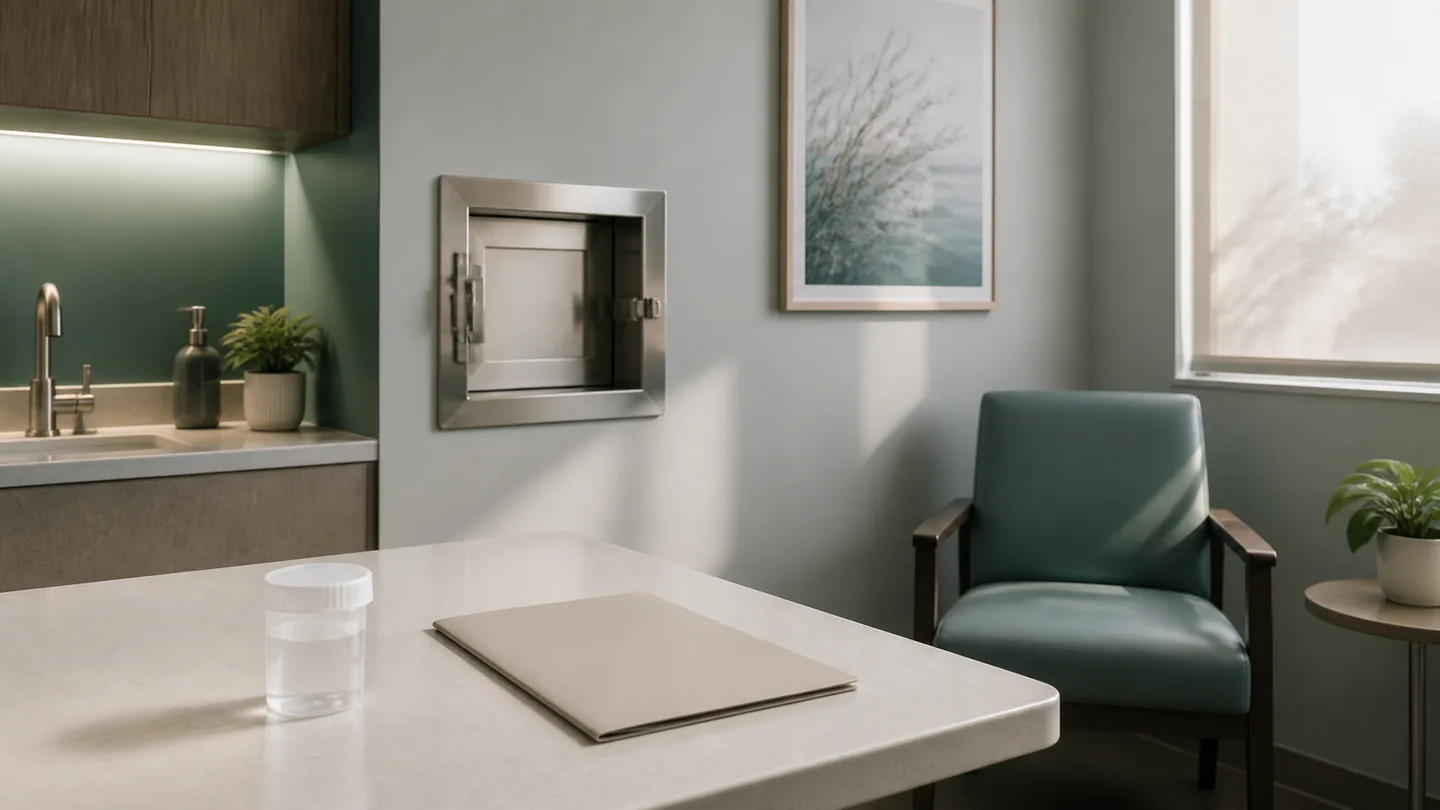
Sperm collection for IVF often takes place on egg retrieval day, after which the laboratory prepares the sample for fertilisation. The process may appear simple, but correct identification, time, temperature and completeness matter when interpreting and using it. The laboratory’s individual instructions always take priority over general advice.
Producing a sample can be emotionally difficult. Privacy concerns, time pressure and anxiety on treatment day are normal. Mentioning possible difficulty early is not embarrassing; the team may be able to arrange a different room, more time, a frozen back-up sample or medical assessment where appropriate.
Preparing before collection day
Ask the laboratory for its exact recommended period of sexual abstinence. A period that is too short or prolonged can affect count, movement and other measures. Report a recent fever, new medicine, anabolic steroid, supplement or previous collection difficulty early enough for the team to consider its relevance.
If collection occurs on egg retrieval day, confirm the arrival time and reception point separately. Be prepared for identity checks. Home collection is appropriate only with laboratory approval; you need written instructions for journey time, secure packing, keeping the container near body temperature and direct handover.
- Confirm abstinence days with the laboratory
- Report illness, medicines and prior difficulty
- Obtain written timing and transport rules for home collection
Collecting a clean and complete sample
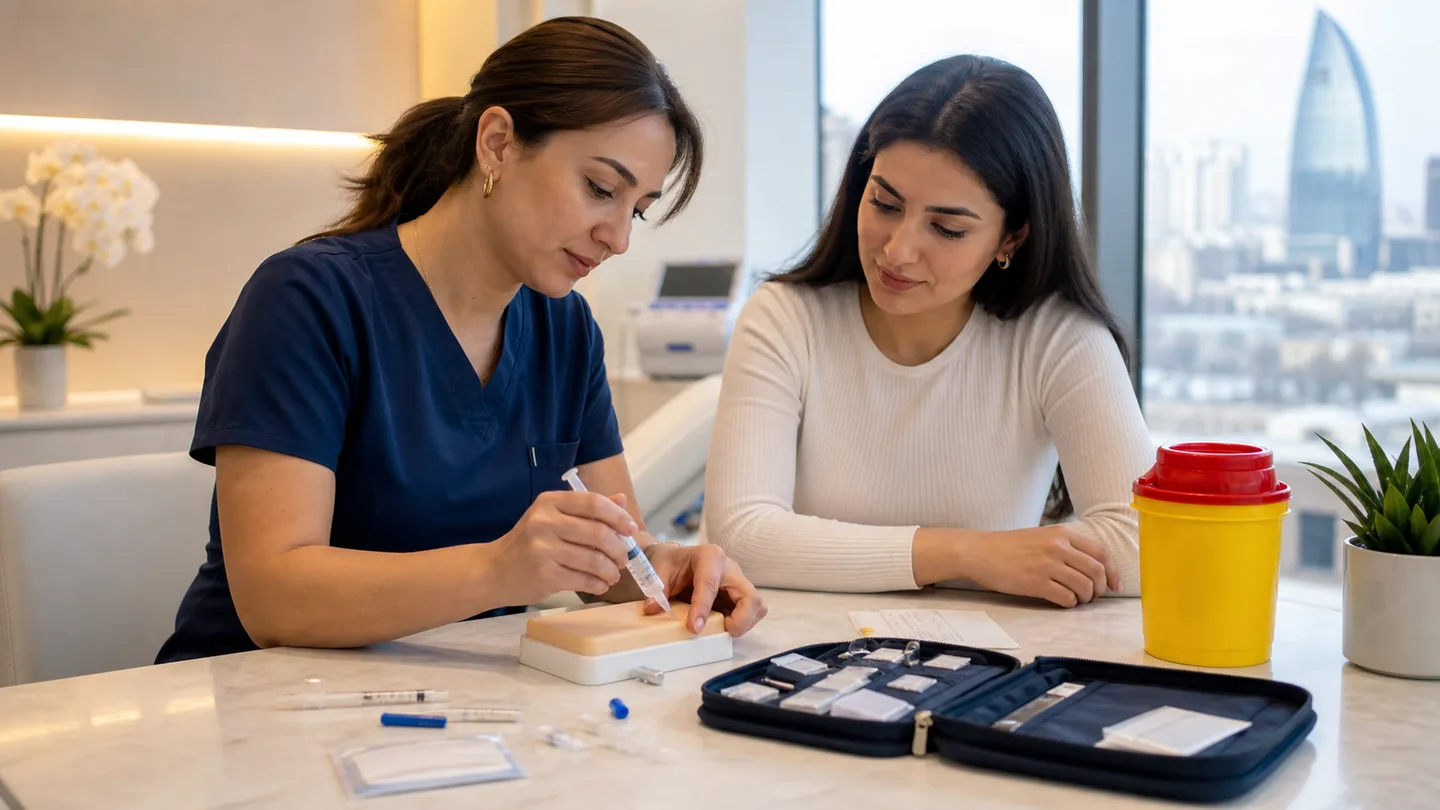
Wash and dry hands and the genital area according to the laboratory’s direction. Use only the sterile container supplied. Ordinary lubricant, saliva, a standard condom or another vessel may damage sperm or contaminate the sample; the exception is a product specifically approved by the clinic.
Try to collect the complete ejaculate, as the first fraction can contain many sperm cells. If any part is missed, do not conceal it: tell the laboratory immediately which portion and approximately how much was lost. Close the lid firmly, limit contact with the inside and record the collection time.
- Use only the clinic’s sterile container
- Avoid ordinary lubricant and standard condoms
- Report a lost portion and exact collection time
Laboratory preparation and a back-up plan
After liquefaction and assessment, the laboratory uses washing and selection methods to separate motile sperm from seminal fluid and other cells. The prepared cells are used with the fertilisation method in the treatment plan. A post-preparation count may differ from a previous diagnostic semen analysis.
If a sample cannot be produced or no usable sperm are found, the next step should follow an agreed plan. A repeat attempt, frozen back-up, surgical retrieval or change to the procedure are individual decisions. No alternative should be used automatically without an explanation and informed consent from the people involved.
- Ask what the preparation method is intended to achieve
- Discuss whether a frozen back-up is sensible
- Give consent in advance for any permitted alternative
Frequently asked questions
Can I collect the sample at home?
Only when the laboratory approves it. An authorised container, time limit, temperature control and direct handover are essential. Agree the plan rather than deciding on the morning.
Must I repeat collection if some was spilled?
Not necessarily. Tell the laboratory immediately. The missing fraction, remaining volume and treatment plan determine whether the sample can be used or another is requested.
When planning sperm collection for IVF with Övlad Payı, confirm abstinence, location, sterile container, transport and the back-up option in advance. A clear, judgement-free plan reduces pressure on treatment day.
Trusted sources
This article is for patient education and does not replace individual medical advice.