
Embryo transfer: procedure day and what follows
Understand how transfer is performed, the single-embryo decision, bladder preparation and everyday life after the procedure.
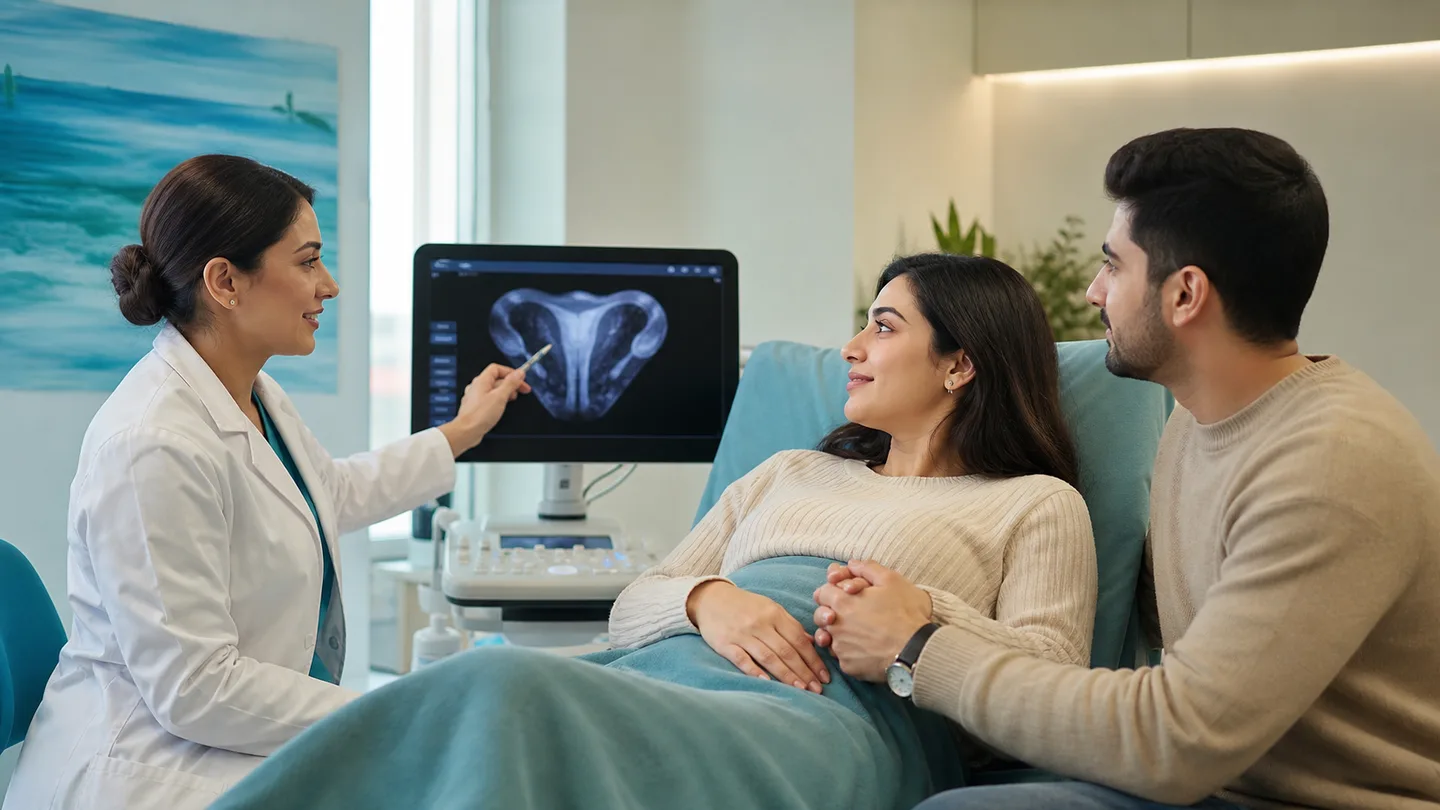
Embryo transfer is the IVF stage in which a selected embryo is placed inside the uterine cavity through a thin catheter. The procedure is usually brief, does not require anaesthesia and may be guided by abdominal ultrasound. A fresh transfer occurs in the egg retrieval cycle, while a frozen transfer takes place in a later natural or hormone-prepared cycle.
Although transfer day feels important, the outcome does not depend on those few minutes alone. Embryo characteristics, age, the uterine environment and biological probability all contribute. Standing, coughing or using the toilet cannot make the embryo fall out; strict restrictions without evidence can add unnecessary stress.
Which embryo and how many to transfer
The team should explain selection using day of development, laboratory grade, previous outcomes and genetic-test information when available. A grade describes appearance and cannot guarantee an outcome. For a frozen transfer, the condition after warming is also confirmed before the procedure.
For many patients, single embryo transfer is the safest way to reduce multiple-pregnancy risk. Two embryos do not simply double the chance of pregnancy, but they increase the chance of twins and the associated risks for parent and babies. The number should follow an informed discussion based on age, history and clinical guidance.
- Ask for the embryo day and grade in plain language
- Understand the personal reason for single embryo advice
- Confirm the plan for remaining embryos
What happens on transfer day
The clinic may request a moderately full bladder to improve the ultrasound view. Ask exactly how much water to drink and when; an excessively full bladder can be painful. Identity, the chosen embryo and consent are checked by the clinical and laboratory teams according to a safety process.
A speculum is inserted, the cervix is gently cleaned and the fine catheter containing the embryo is guided into the cavity. Afterwards, the embryologist checks the catheter to confirm transfer. Mild pressure or period-like cramping can occur; report strong pain immediately. Most people leave after a short rest.
- Know the drinking and arrival instructions
- Take part in identity and embryo checks
- Mention pain or discomfort during the procedure
Medicines and ordinary life afterwards
Continue progesterone and other support exactly at the prescribed times and for the stated duration. Do not stop because of spotting without calling; medicines and contact with the cervix can both cause light discharge. For a missed dose, obtain advice instead of automatically doubling it.
Gentle everyday movement and work are usually suitable, and bed rest has not been shown to improve outcome. Follow personal advice on heavy lifting, high-impact exercise, sex, bathing and travel. Severe pain, heavy bleeding, fainting, fever or breathlessness require urgent contact with the clinic.
- Keep the medicine schedule through test day
- Maintain comfortable light activity
- Obtain the test date and urgent warning signs in writing
Frequently asked questions
Is bed rest needed after embryo transfer?
Usually not. Light normal activity is possible after a short clinic rest, and prolonged bed rest has not been shown to improve implantation. A clinician will explain any individual restriction.
Can the embryo fall out when I use the toilet?
No. The embryo is placed in the uterine cavity and does not leave with urine or vaginal fluid. Emptying the bladder comfortably does not harm the transfer.
Before embryo transfer at Övlad Payı, confirm embryo number, bladder preparation, medicine schedule, test day and urgent contact details in writing. A simple plan makes the days afterwards feel more manageable.
Trusted sources
This article is for patient education and does not replace individual medical advice.