IVF laboratory safety: identity and quality systems
Understand how eggs, sperm and embryos remain linked to the right patient, and how witnessing, incubator monitoring and emergency plans reduce risk.
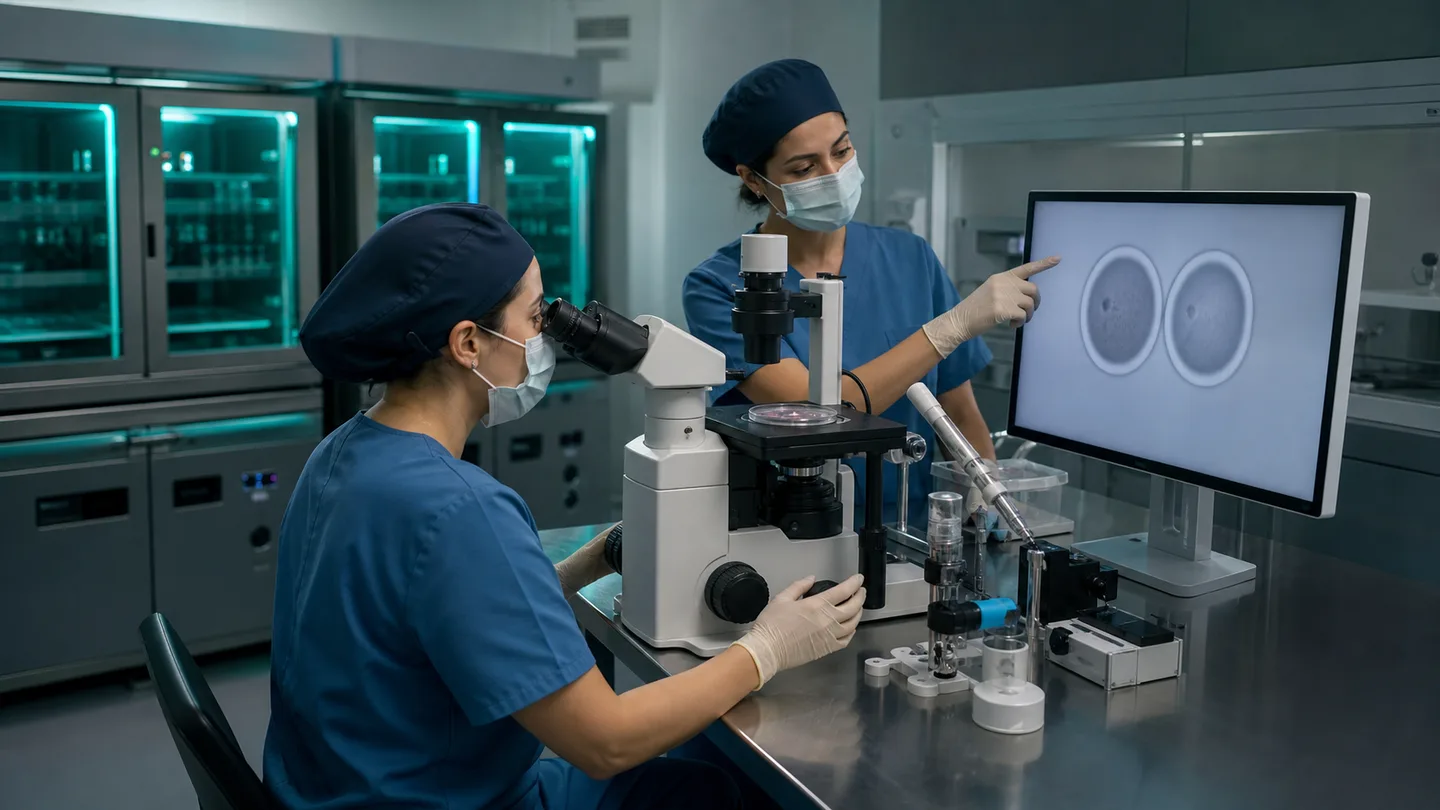
IVF laboratory safety means more than a clean room and modern equipment. It aims to preserve the correct link between every egg, sperm sample, embryo and patient, maintain stable culture conditions and systematically reduce avoidable error. Documented procedures, training, monitoring and audit work together to achieve this.
No person or technology can promise zero risk. A strong quality system does not rely on one individual’s memory. It creates independent checks at critical steps, traceable records, equipment alarms and a method for learning from incidents. Patients can ask for a clear explanation of these systems without receiving another person’s confidential information.
How identity labels and witnessing work
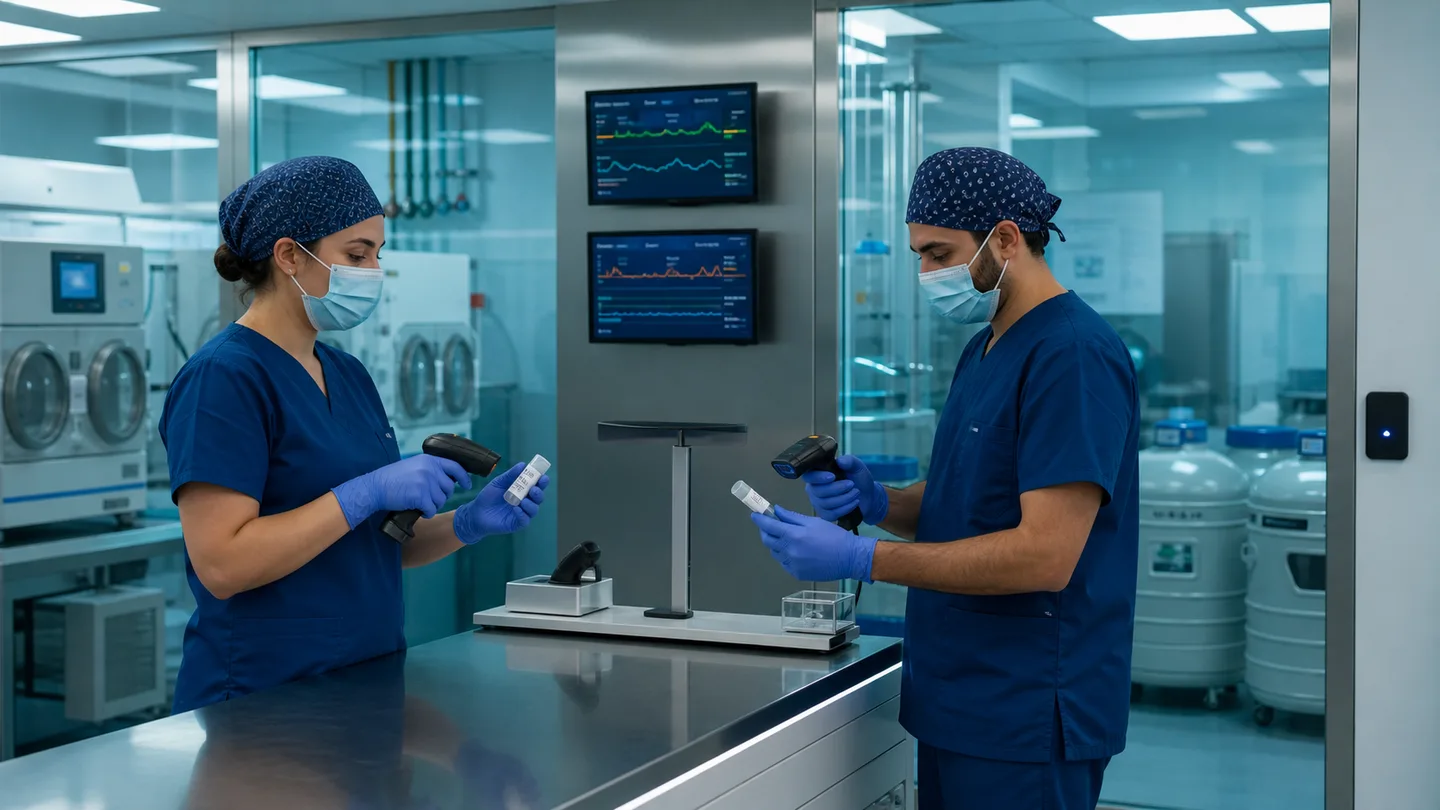
Official identifiers are matched with the laboratory order at reception. Tubes, dishes, culture wells, freezing carriers and storage locations receive unique information. A name written only on a lid is not sufficient; labels need to remain readable under laboratory conditions and connect with the information system.
Critical transitions—combining sperm and eggs, moving embryos between dishes, freezing, warming and selecting for transfer—are checked by two trained staff or a validated electronic witnessing system. Electronic witnessing supports rather than replaces professional attention: it alerts mismatches and records who confirmed each action.
- Unique identification for every container and carrier
- Independent or electronic witnessing at critical transitions
- A traceable history from receipt through storage or transfer
How environment and equipment are controlled
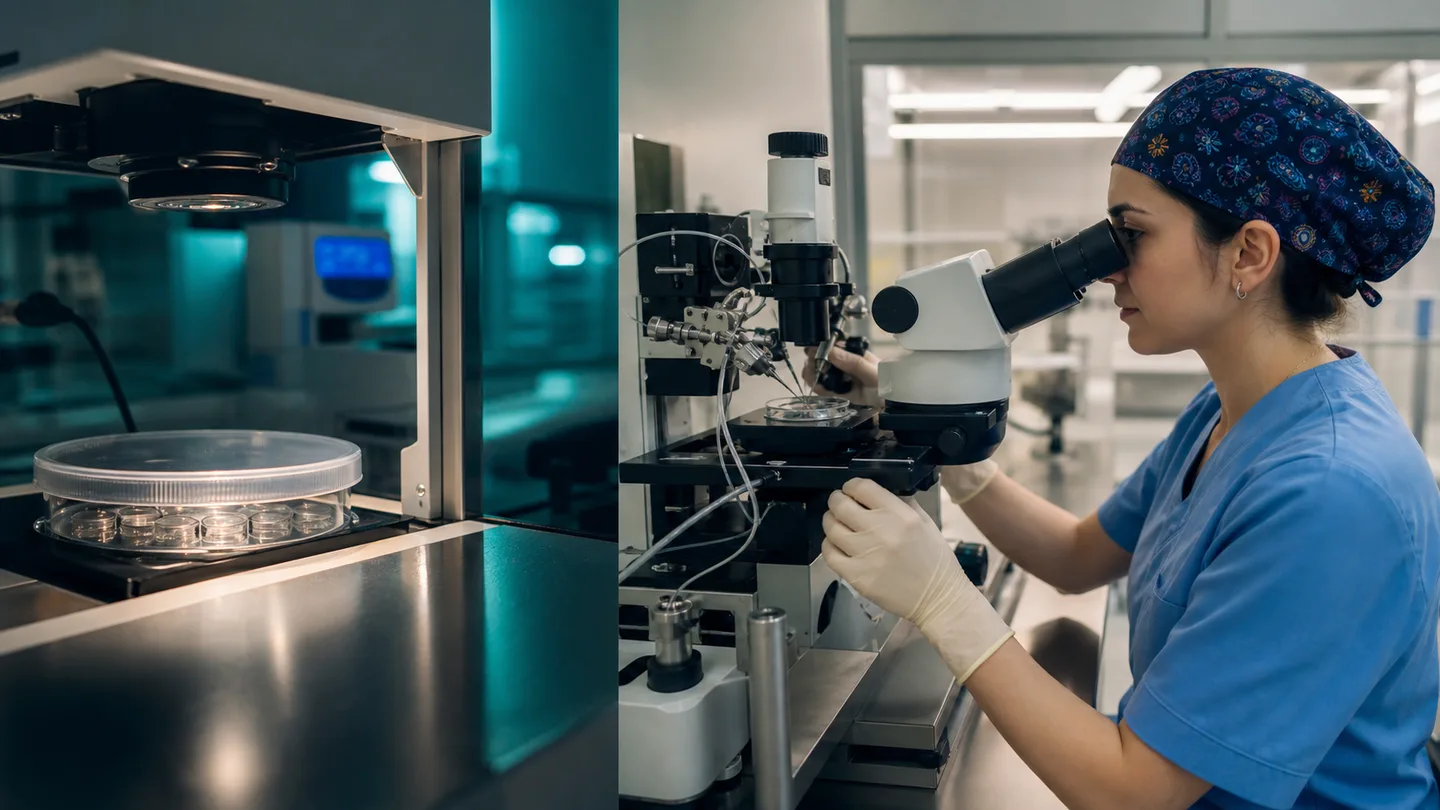
Incubator temperature, gas concentration and sometimes humidity are monitored and verified with separately calibrated equipment. Culture-media lot, expiry, preparation time and quality documentation are recorded. Volatile substances, cleaning products and room air can affect culture, so laboratories require special environmental procedures.
Power loss, equipment failure and falling nitrogen levels require local and remote alarms, back-up power, alternative incubators and a relocation plan. Preventive maintenance occurs before failure. Records show when critical equipment was tested and whether emergency drills identified actions for improvement.
- Continuous checks of temperature, gas and environment
- Calibration, servicing and material-lot records
- Alarms, back-up power and alternative storage plans
Staff competence, audit and incident reporting
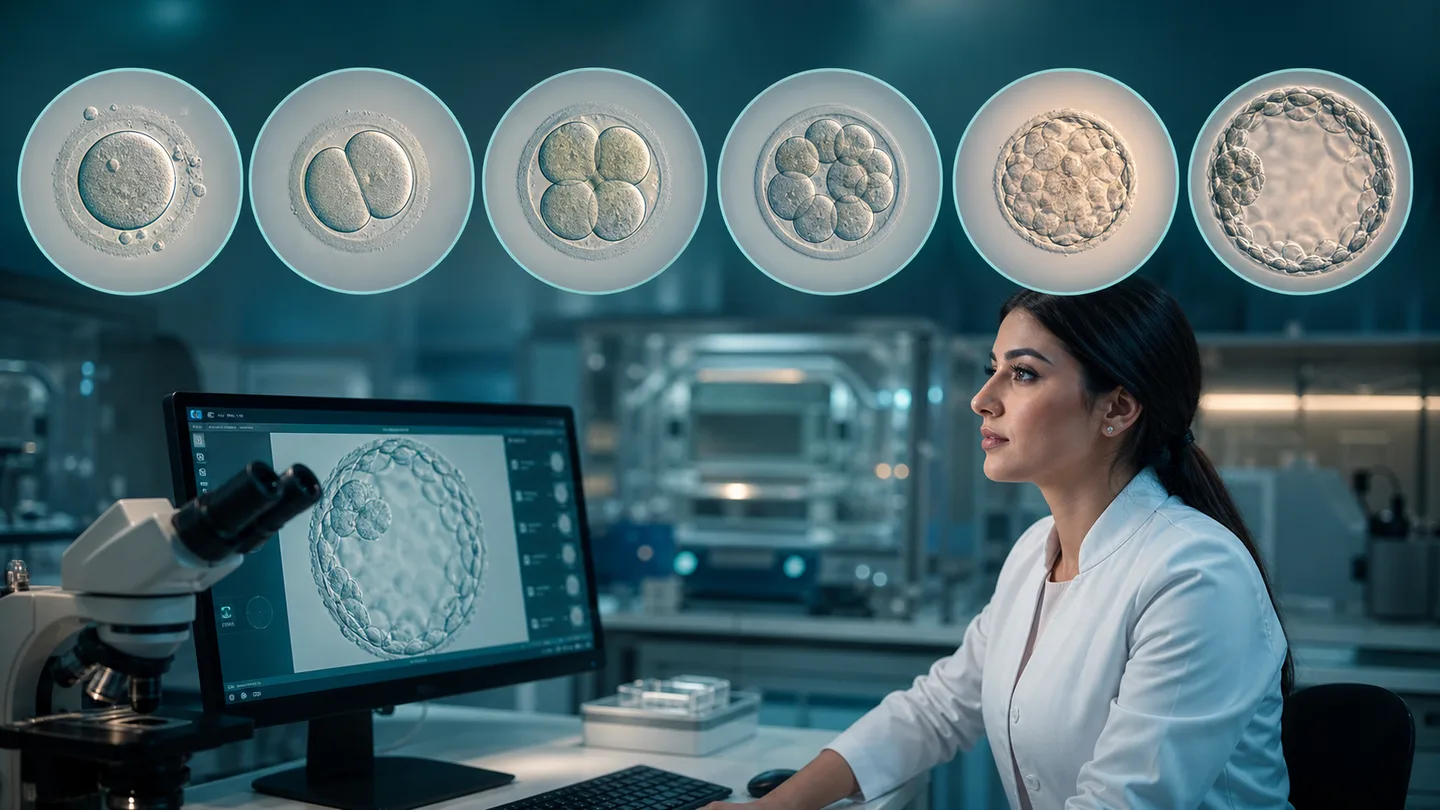
Embryologists need training and documented competence before performing a new procedure independently. Workload, fatigue and uninterrupted shifts can affect error risk, making staffing part of quality. Outcomes are monitored beyond pregnancy rate, including fertilisation, blastocyst, freeze–warm and incident indicators.
A deviation or near miss should be recorded, analysed for root cause and followed by corrective action rather than hidden. Serious events are reported according to legal duties and affected patients receive honest information. Internal and external audits check whether procedures are applied in daily work, not merely filed on paper.
- Documented training and competence assessment
- Review of outcomes, deviations and near misses
- Root-cause action and transparent communication
Frequently asked questions
Does electronic witnessing make a mix-up impossible?
No, but it can substantially reduce risk and create a traceable check. Correct labelling, procedures, staff training and audit remain essential.
Can a patient ask about laboratory quality measures?
Yes. It is reasonable to ask about licensing or accreditation, local freeze–warm outcomes, the witnessing system and a general explanation of emergency arrangements.
Discuss IVF laboratory safety with the Övlad Payı embryology team, including identity witnessing, incubator monitoring, back-up plans and incident communication. Trust grows from visible, monitored systems rather than promotional claims.
Trusted sources
This article is for patient education and does not replace individual medical advice.